Aeonium Smithii (Smith’s Giant Houseleek)
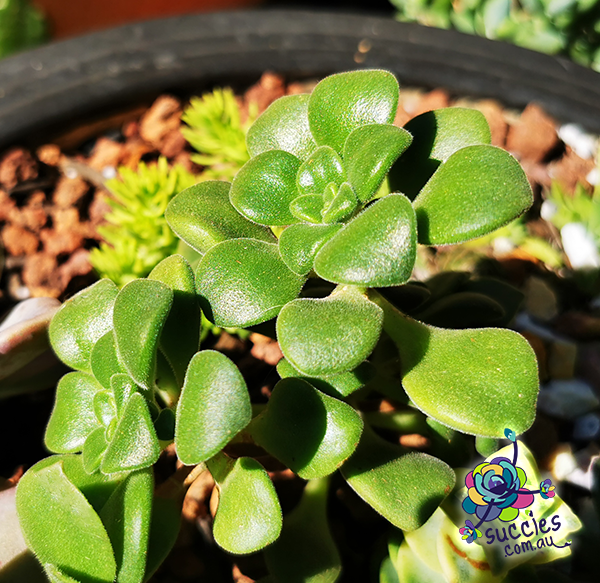
Native to the Canary Islands (Tenerife), Aeonium Smithii is one surprising Aeonium. Generally speaking, a lot of Aeoniums tend to die after flowering (monocarpic) and can only live on via the offsets they produce during growing season (winter). Aeonium Smithii is an oddball – it will continue to grow even after blooming! Smithii can grow … Read more
Aeonium Short Black

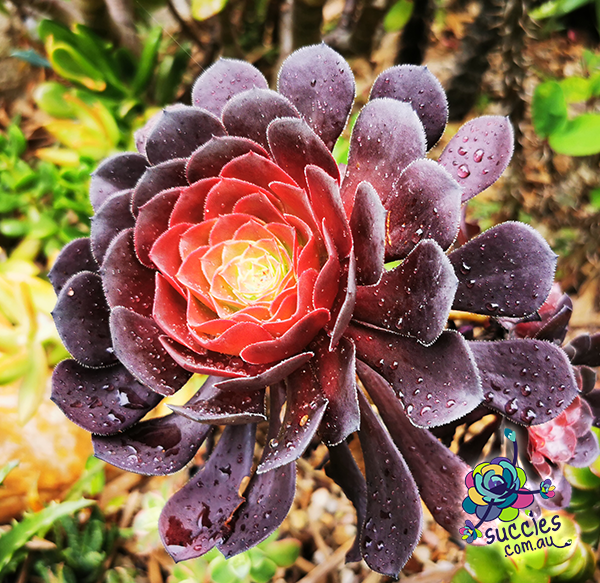
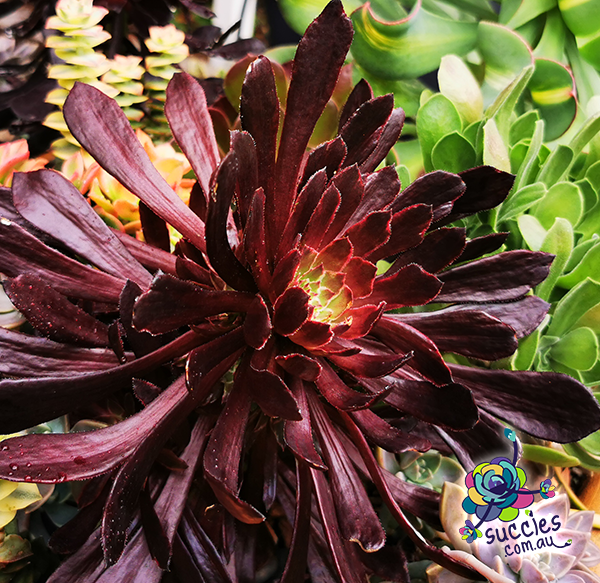
This is a really nicely formed Aeonium, with similar colouring to that of Aeonium Zwartkop. Aeonium Short Black seems to be a more compact hybrid of Aeonium Tabuliforme cross Zwartkop which was developed by Jack Catlin in the USA. Its colours change throughout the seasons, maintaining a greener appearance in its growth season of winter … Read more

Aeonium Inferno

This Aeonium is simply gorgeous! I purchased this specimen through my local Bunnings for a steal, I think it was something like $8.95…BARGAIN! Some believe Inferno is a genetic mutation of a variegated Aeonium Short Black. I don’t know what I believe but it is definitely a special one. The colour changes that Aeonium Inferno … Read more

Kalanchoe Luciae Fantastic

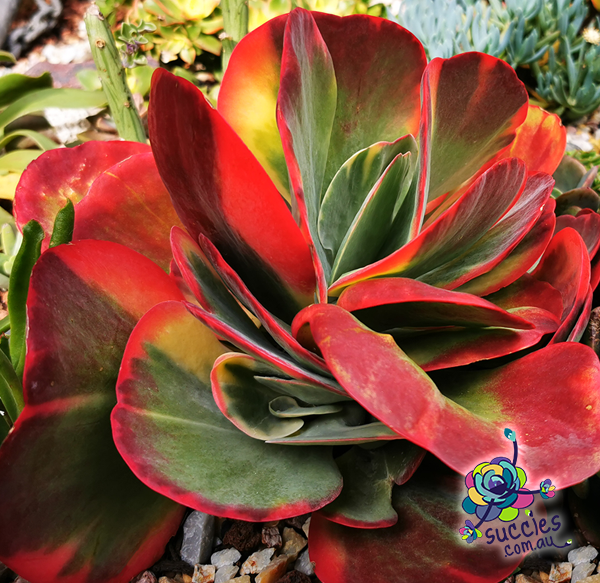
An absolutely outstanding specimen, Kalanchoe Luciae Fantastic is sure to win any succulent lovers heart! With almost rainbow coloured leaves deepening in colour depending on the season and amount of sun it receives, it is a fascinating succulent to watch develop. The colours of a variegated flapjack (which is basically what a Kalanchoe Fantastic is) … Read more

Portulacaria Afra (Elephant Bush)

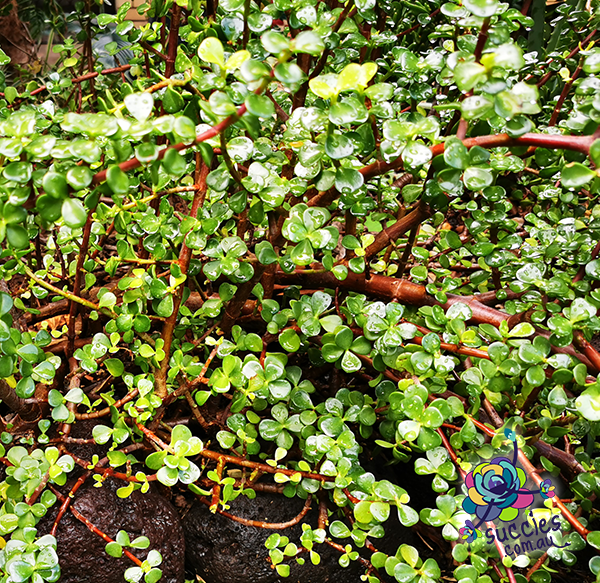
This is the largest variety of Portulacaria and the most common. This variety can grow to 4m in height and will keep spreading outwards unless controlled. It is commonly used as a fire breaker in its native habitat. It’s habit is a sprawling one however it does provide height that other portulacarias do not, so … Read more

Aeonium Lindleyi

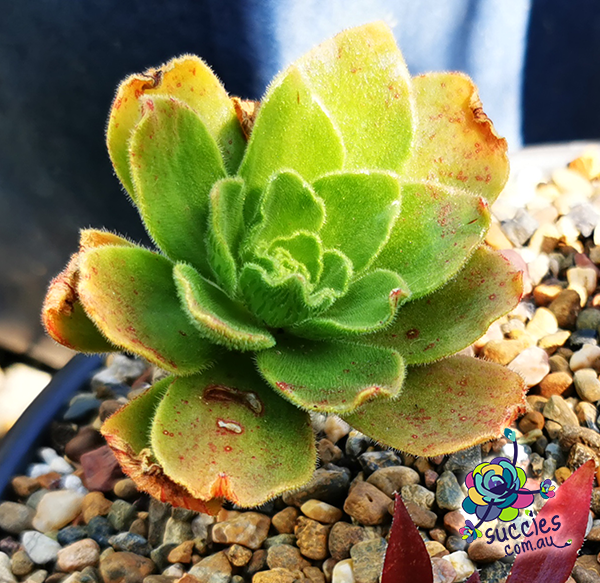
This Aeonium is on the smaller side when it comes to rosettes, growing up to only around 9cm in diameter, the plant itself can grow up to 50cm tall. The leaves are slightly hairy and a little sticky to the touch so small dust and dirt particles can get stuck to them.   Lindleyi flowers from … Read more